The Elimination Deep Dive
Your Body Is Reabsorbing What It Worked Hard To Throw Away.
The Elimination Crisis No One Is Talking About
You’re doing everything right—eating clean, taking supplements, hydrating, maybe even cleansing.
Yet the fatigue, brain fog, breakouts, joint pain, hormone chaos, and stubborn weight keep coming back.
Here’s what no one tells you: digestion and absorption don’t matter if elimination is slow. Your body works nonstop to package toxins, spent hormones, and metabolic waste for exit—but when they don’t leave fast enough, they’re reabsorbed.
This isn’t about needing more rest or better skincare. It’s about stalled elimination—the final, most critical step in detox. When elimination fails, your body reabsorbs what it worked hard to clear.
The Science Nobody Explained
Here's how this is supposed to work:
After you eat, your stomach and small intestine break down food into nutrients. In your small intestine, roughly 20 feet long, nutrients are absorbed through the intestinal lining into your bloodstream. This is where you get amino acids from protein, fatty acids from fats, vitamins, minerals - all the building blocks we talked about in the digestion piece.
But here's the critical part most people don't understand:
This includes:
- Fiber and undigested food particles
- Bacteria, both beneficial and pathogenic
- Toxins your liver has processed and packaged into bile for exit
- Excess hormones, especially estrogen, that have been metabolized
- Heavy metals and environmental chemicals your body has bound for removal
- Metabolic waste products from normal cellular function
- Dead cells from your continuously regenerating gut lining
Your colon's job is to absorb water and electrolytes from this material, form it into stool, and move it out of your body through coordinated muscular contractions, called peristalsis.
Optimal transit time is 12 to 24 hours from eating to elimination.
But here's what's actually happening for most people: transit time has slowed to 48, 72, even 96 plus hours. And during that time, everything sitting in your colon is being reabsorbed back into your bloodstream.
What Gets Reabsorbed And What It Is Doing To You
Let's be specific about what happens when elimination slows down.
1. Estrogen recirculation and your hormones
Your liver metabolizes used hormones, especially estrogen, and packages them into bile to be eliminated through stool. But certain gut bacteria produce an enzyme called beta-glucuronidase that can unpackage estrogen from bile, allowing it to be reabsorbed through your colon lining.
When stool sits in your colon for too long, these bacteria have more time to reactivate estrogen. The result? Estrogen dominance.
This shows up as:
- Heavy, painful periods
- PMS that takes over your life
- Breast tenderness
- Fibroids and cysts
- Weight gain in hips and thighs
- Low libido, even though estrogen is high because the ratio to progesterone is off
- Mood swings and irritability
2. Toxin recirculation and your inflammation
Your liver is processing environmental toxins constantly: pesticides from food, chemicals from personal care products, pollutants from air and water, and metabolic byproducts from your own bacteria.
Phase 1 liver detox makes these substances more reactive, more toxic temporarily. Phase 2 packages them with glutathione and other molecules to neutralize them. Phase 3 pumps them into bile for elimination.
But if stool is not moving, these packaged toxins sit in your colon, get broken down by bacteria, and reabsorb.
This is called enterohepatic recirculation - your liver detoxed it, but your gut sent it back to your liver to process again, and again, and again.
The result? An overburdened liver, increased toxic load, and systemic inflammation.
This shows up as:
- Chronic fatigue - your cells are literally being poisoned
- Brain fog and difficulty concentrating
- Chemical sensitivities - reacting to perfumes, cleaners, foods you used to tolerate
- Skin issues like acne, eczema, and rashes - your skin trying to eliminate what your gut will not
- Joint pain and muscle aches
- Headaches and migraines
3. Bacterial endotoxins and your immune system
When stool moves slowly, pathogenic bacteria overgrow. They produce endotoxins that trigger massive immune reactions when they enter your bloodstream.
Slow elimination equals more time for bacterial overgrowth, more endotoxin production, more intestinal permeability - leaky gut - and more toxins in your bloodstream.
Research shows that elevated endotoxins are linked to:
- Chronic systemic inflammation
- Insulin resistance and metabolic dysfunction
- Autoimmune disease activation
- Neuroinflammation - depression, anxiety, brain fog
- Cardiovascular disease
4. Other metabolic waste and your brain
When protein is not fully digested or when pathogenic bacteria ferment protein in your colon, they produce ammonia. Normally, this gets eliminated quickly. But when transit slows, ammonia gets reabsorbed and has to be processed by your liver, which is already overburdened.
High ammonia levels are directly neurotoxic. This shows up as:
- Brain fog and confusion
- Difficulty with word recall
- Fatigue and lethargy
- Mood disturbances
- Sleep disruption
The Epidemic Nobody Is Connecting
Let's talk numbers, because this is not affecting just a few people.
- 16 percent of U.S. adults, roughly 40 million people, have chronic constipation - defined as fewer than 3 bowel movements per week
- 33 percent of adults over 60 are constipated
- Women are 2 to 3 times more likely to be constipated than men, thanks to hormonal influence and the conditioning to "hold it"
But here is what is even more alarming: rates of inflammatory bowel disease, colon cancer, and autoimmune conditions are skyrocketing in direct correlation with elimination dysfunction.
- Ulcerative colitis and Crohn's disease have increased by about 50 percent in the last decade, particularly in younger adults
- Colon cancer is now the third leading cause of cancer death in the U.S. and is rising in adults under 50, a group where it used to be rare
- Colorectal cancer rates in people aged 20 to 49 have increased by about 2 percent per year since the mid 1990s
Chronic exposure to reabsorbed toxins creates:
- Chronic low grade inflammation in the intestinal wall
- Cellular damage and DNA mutations that set the stage for pre cancerous changes
- Immune dysregulation that can trigger autoimmune attacks on the gut lining
- Disrupted tight junctions - leaky gut - that allow systemic inflammation
Why This Is Happening And Why You Have Been Focusing On The Wrong Things
Your colon is supposed to move waste through via rhythmic contractions controlled by:
- The enteric nervous system - your "gut brain"
- The vagus nerve connecting your brain to your gut
- Gut motility hormones like serotonin and motilin
- Beneficial bacteria that produce short chain fatty acids to fuel colon cells and stimulate motility
- Adequate bile flow - bile is a natural laxative
- Sufficient hydration - water absorbed in the colon determines stool consistency
- Physical movement, since exercise stimulates peristalsis
But here is what has happened:
- Chronic stress shuts down the parasympathetic nervous system, the rest and digest state required for optimal motility. When you are in fight or flight, your body diverts resources away from elimination.
- Low stomach acid and poor bile flow from sluggish digestion mean you are not getting the cascade of signals that stimulate motility downstream.
- Gut dysbiosis - bacterial imbalance from antibiotics, processed food, and chronic stress - means you lack the beneficial bacteria that fuel healthy colon function.
- Dehydration at the cellular level means your colon pulls too much water out of stool, making it hard, dry, and difficult to move.
- Sedentary lifestyle means you are not getting the physical movement that naturally stimulates peristalsis.
- Ignoring the urge because you are too busy, in a meeting, do not want to use a public restroom, or have been socially conditioned that bowel movements are shameful. Every time you ignore the urge, you train your nervous system to dull the signal. Over time, you stop feeling it at all.
- Magnesium deficiency, which affects an estimated 50 percent of Americans, directly impairs smooth muscle contraction in the colon. You cannot have normal motility without adequate magnesium.
The Mental Barrier That Has Kept You Stuck
Here is why you have not focused on elimination before:
1. You think "regular" means you are fine
You have a bowel movement every day or every other day, so you assume elimination is working. But frequency is not the whole picture.
What matters is:
- Ease: you should not have to strain. It should pass effortlessly.
- Form: smooth, soft, formed. Not hard pellets. Not loose or liquid.
- Completion: you should feel fully empty afterward, not like there is still something there.
- Timing: it should happen within 12 to 24 hours of eating, ideally in the morning.
If you are straining, if your stool is hard or pellet like, if you feel incomplete, your elimination is compromised even if you go every day.
2. Nobody taught you that bowel movements are essential health data
In Ayurveda, practitioners have been assessing stool for thousands of years. It tells us about digestion, absorption, motility, hydration, and balance.
But in Western culture, bowel movements are taboo. We do not talk about them. We do not look at them. And we rarely discuss them with our doctors who have 12 minutes to see us and are trained to prescribe fiber supplements or laxatives, not address root causes.
3. You have been sold detox without elimination support
Juice cleanses. Activated charcoal. Detox teas. The wellness industry loves detox trends.
But here is the truth: if you are mobilizing toxins without supporting elimination, you are just redistributing poison.
Your liver can package toxins. Your gut can prepare them for exit. But if your colon is not moving efficiently, those toxins just recirculate.
You feel worse during detoxes because you are stirring things up without clearing the exit route.
4. You have normalized sluggish elimination as "just how you are"
You think you have always been someone who does not go every day. You think it is genetic. You think it is normal.
But constipation is not a personality trait. It is a sign that one or more systems are compromised. And it is fixable.
What Actually Works - The Gut Center Approach
This is why our protocols focus on root causes:
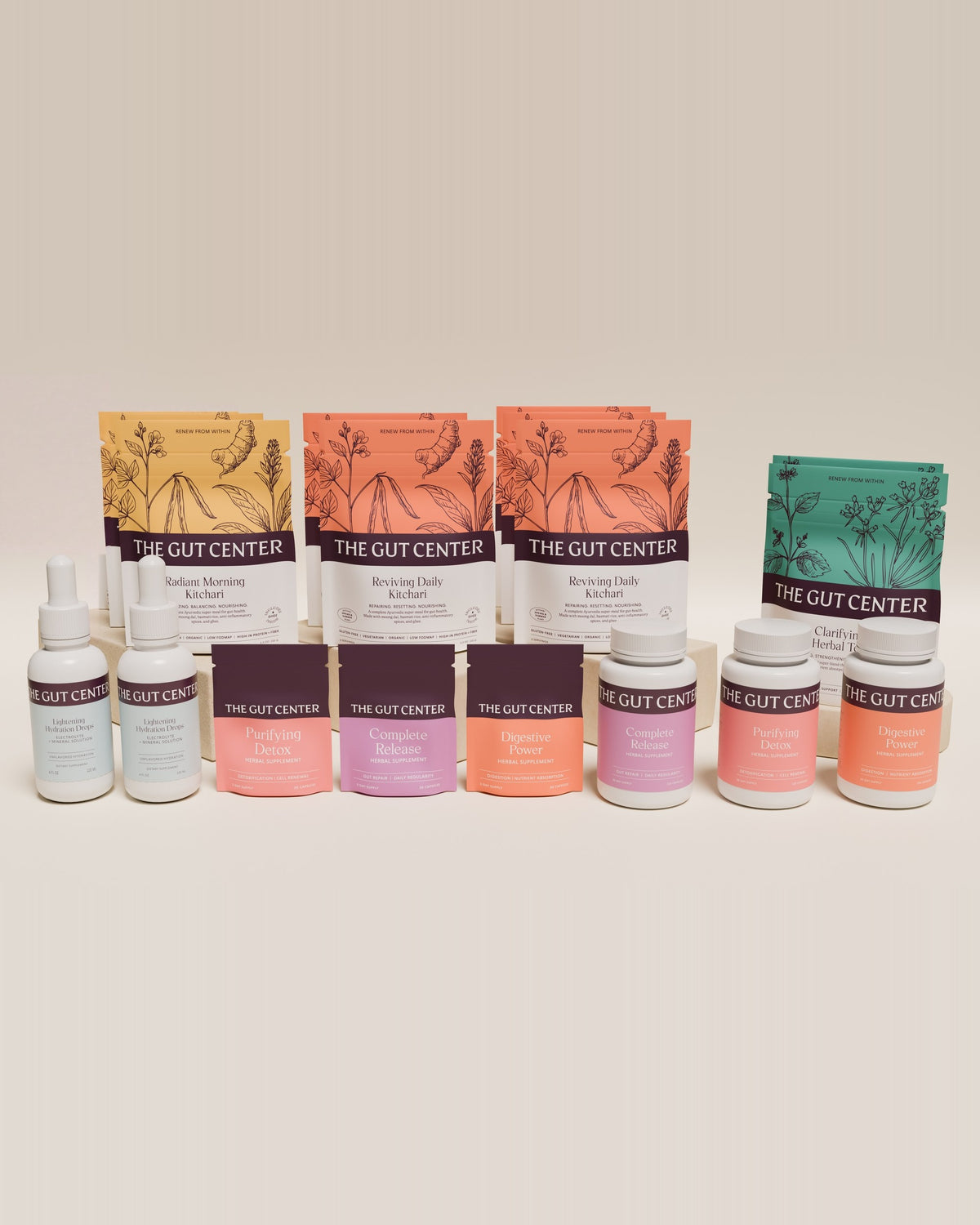
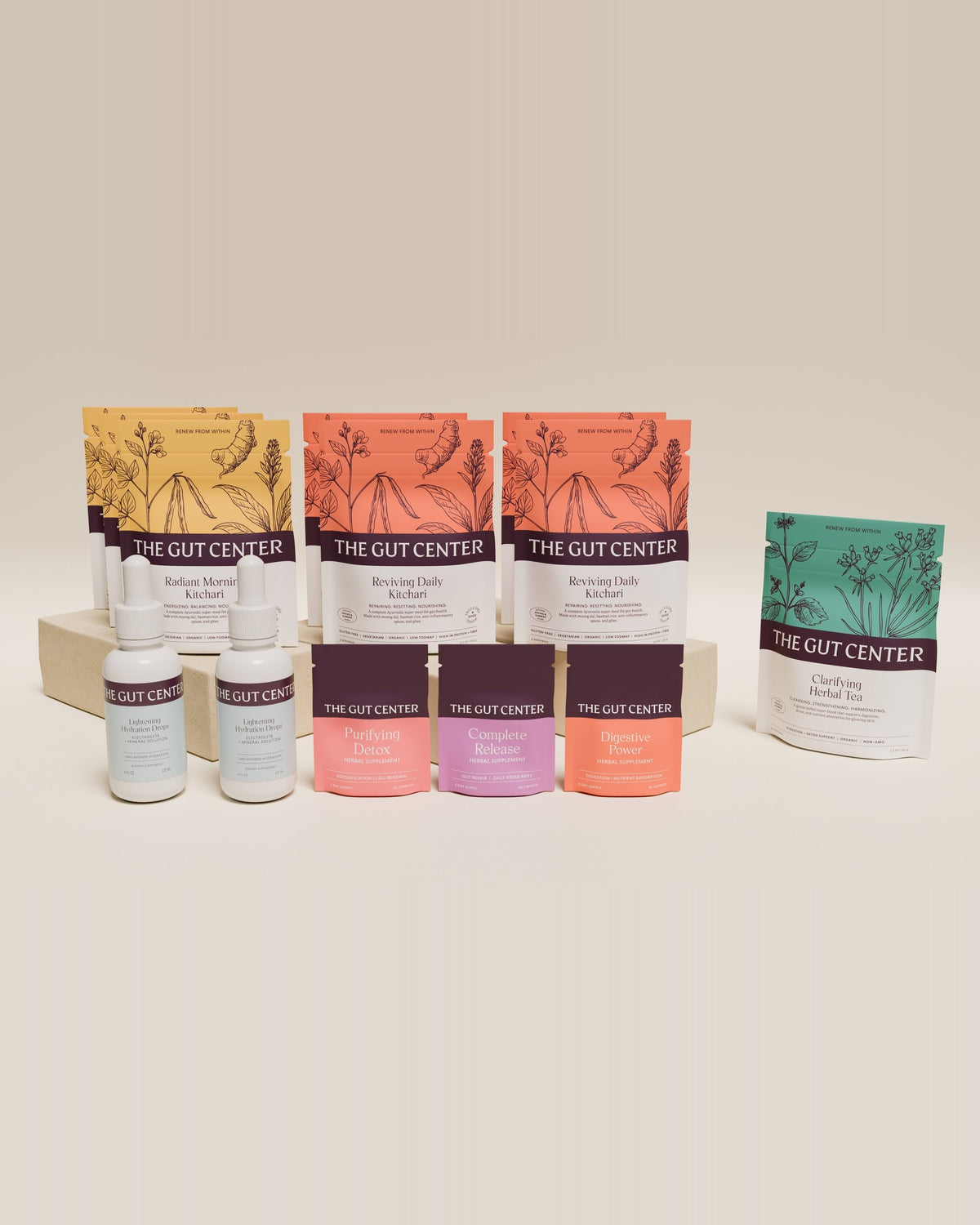
1. REBOOT with kitchari
This 5 day reset does something most cleanses do not: it supports elimination from day one.
- Kitchari is warm, spiced, and easy to digest, which means it moves through efficiently without taxing your system.
- The fiber from mung beans and rice provides gentle bulk that stimulates peristalsis without irritating the gut lining.
- Ghee lubricates the entire digestive tract, making elimination smooth and effortless.
- The spices stimulate bile flow and support motility.
- The simplicity allows your gut to rest, repair, and reset its rhythm.
People tell us they have the best bowel movements of their lives during REBOOT - complete, easy, regular - because you are finally supporting the system instead of forcing it.
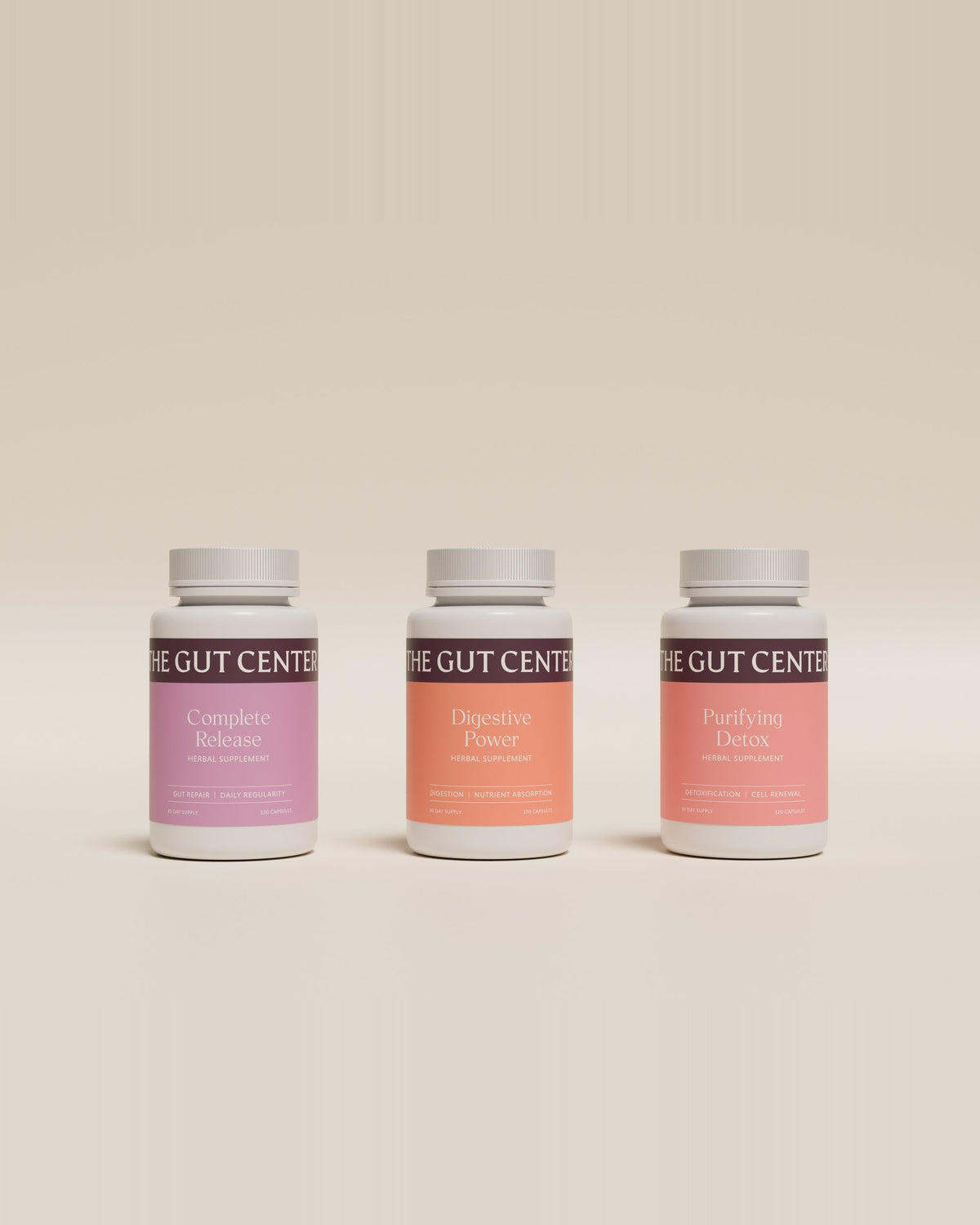
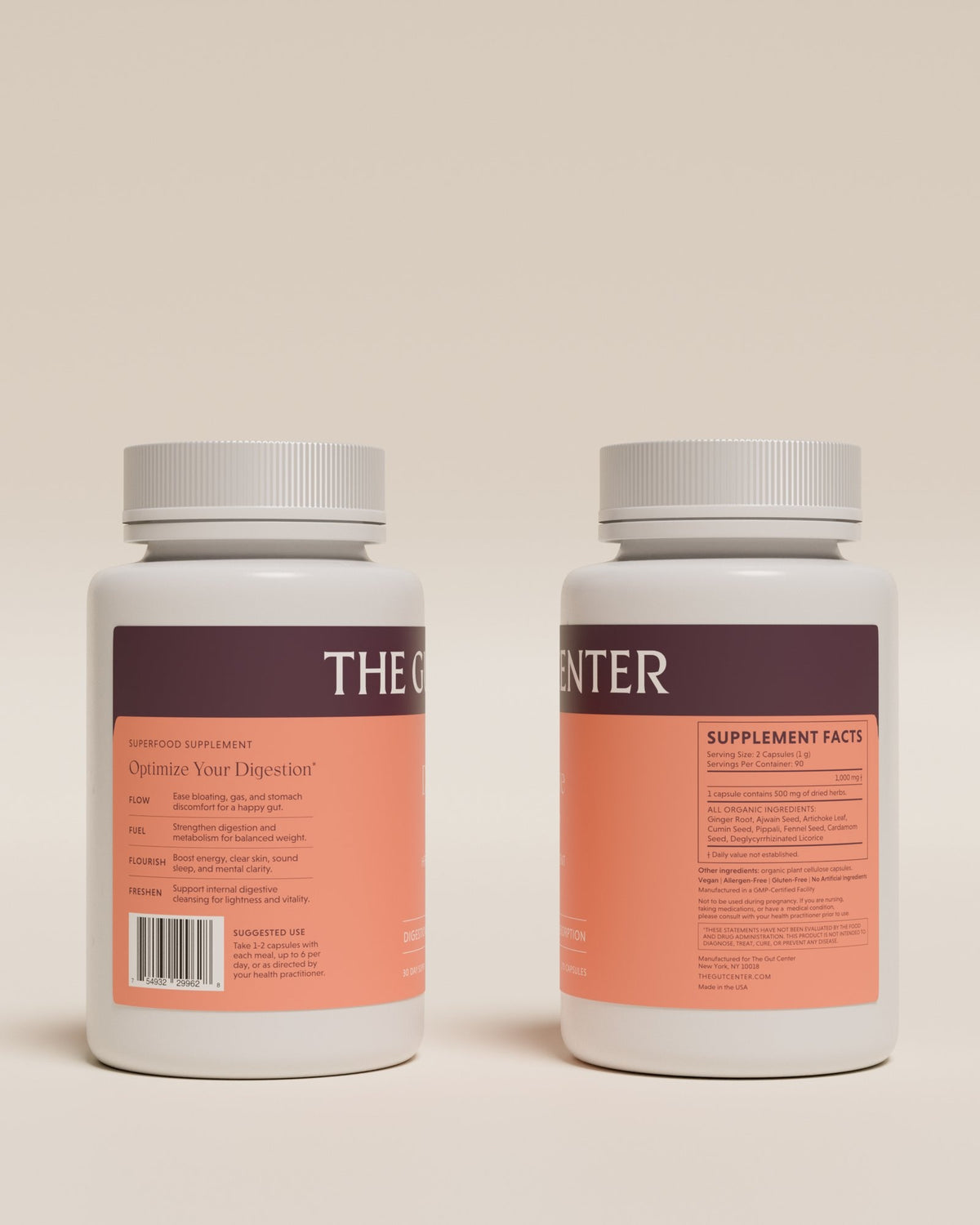
2. Exit Strategy - daily
This is not a laxative. This is daily support for the entire elimination pathway:
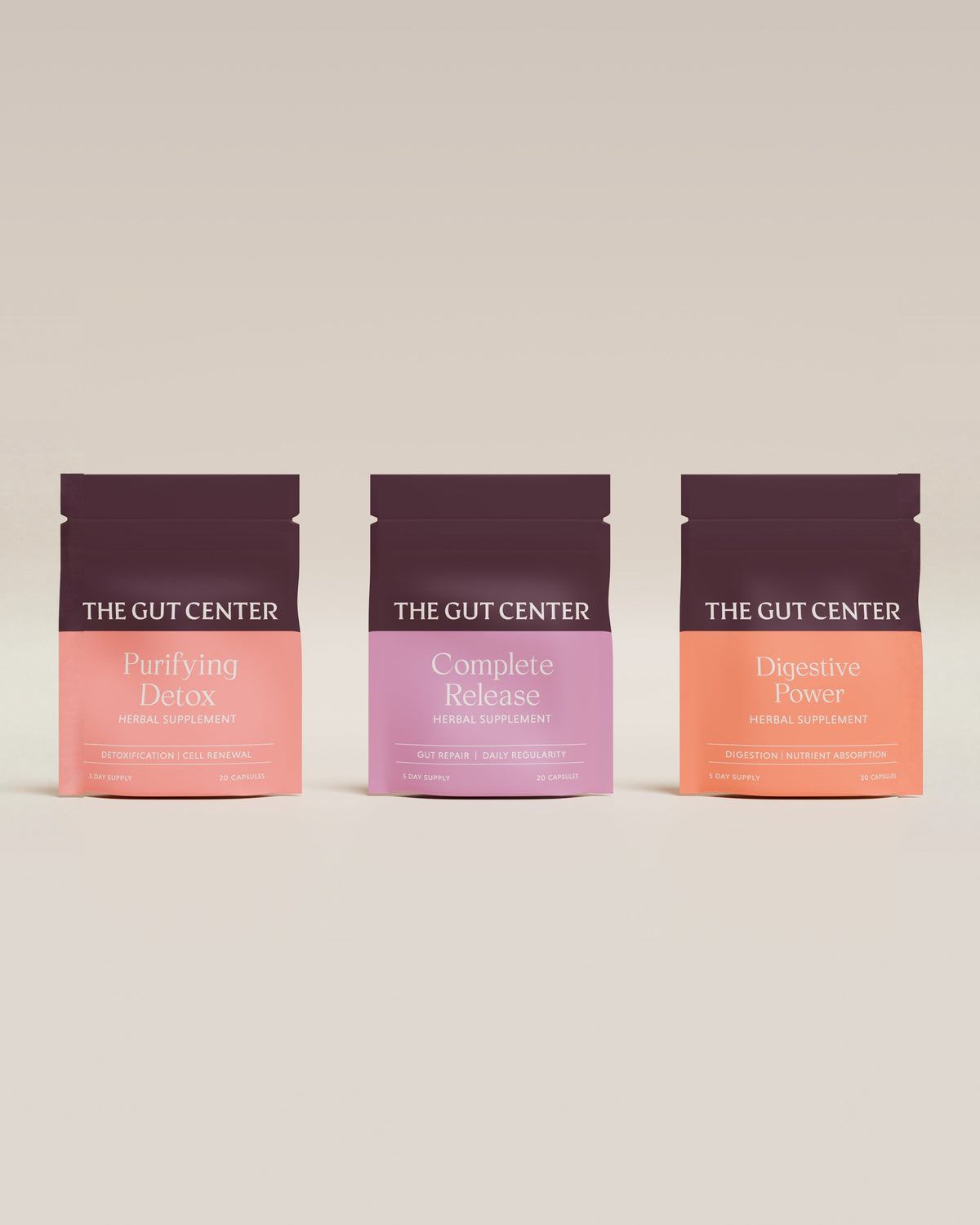
- Key Ayurvedic herbs that tone the colon, support bile flow, and gently stimulate motility without creating dependency
- Herbs that support liver detox and bile production so toxins are packaged efficiently and bile acts as a natural laxative
- Gut soothing botanicals to reduce inflammation in the intestinal lining
Taken consistently, Exit Strategy helps your body establish a natural rhythm. You are not forcing elimination. You are restoring the conditions that allow it to happen naturally.
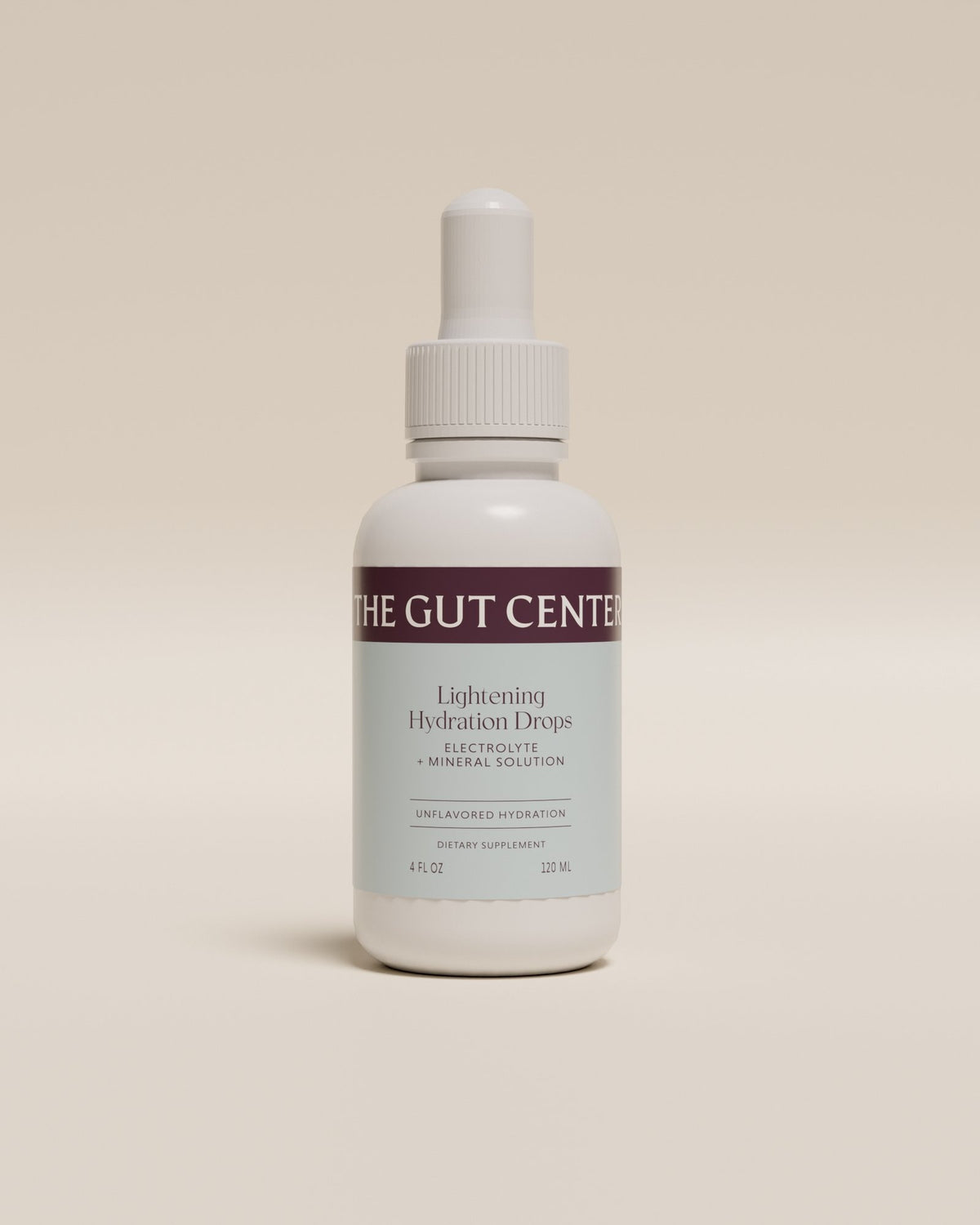
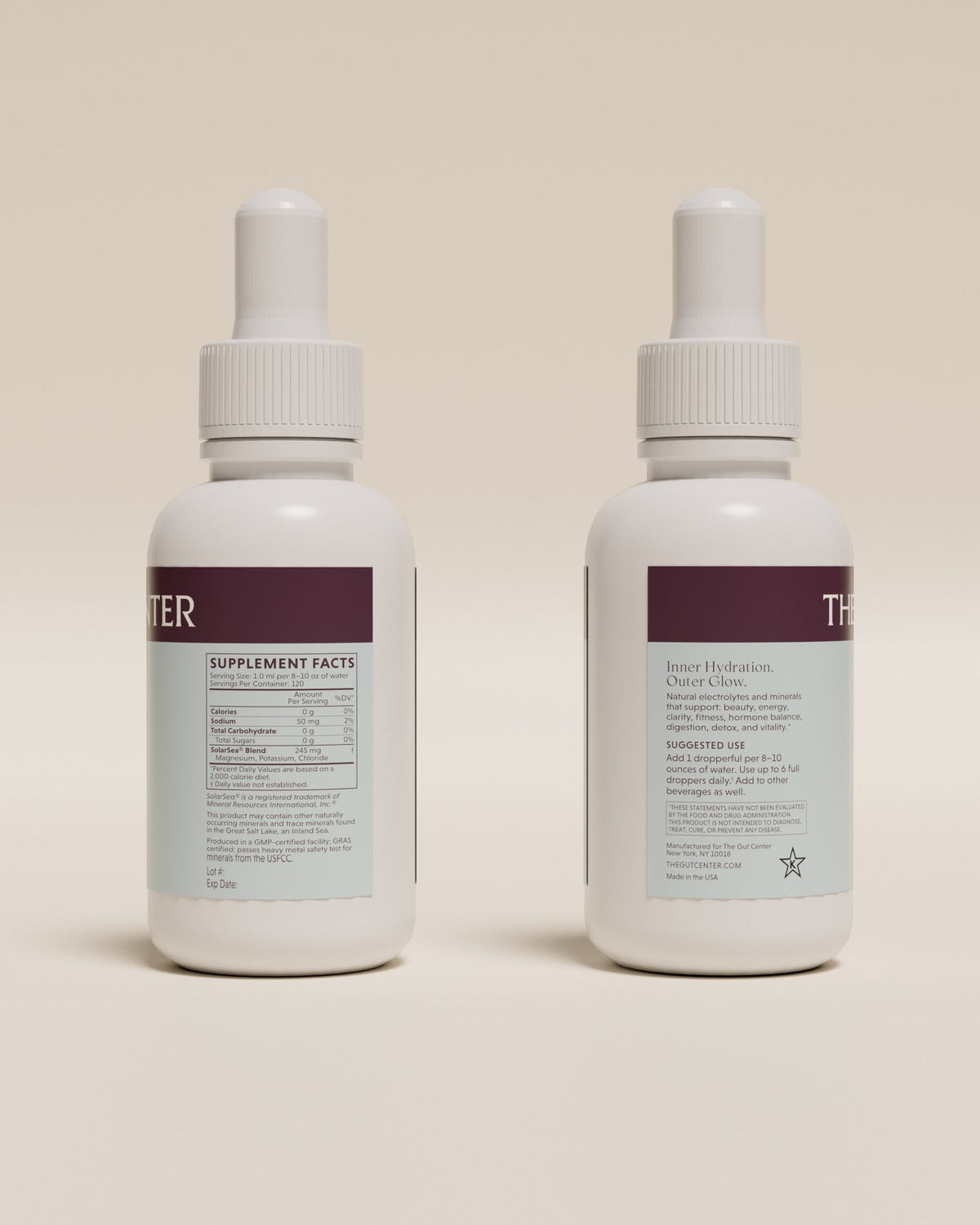
3. LYTEning Drops - daily
Elimination requires hydration. Not just drinking water, but cellular hydration - minerals that help your cells actually absorb water.
LYTEning Drops are primarily magnesium and potassium, the two most critical electrolytes for elimination. Magnesium relaxes smooth muscle in the colon and draws water into stool, making it soft and easy to pass. Potassium supports nerve signaling and muscle contractions needed for peristalsis.
When your colon is dehydrated, it pulls too much water out of stool, making it hard and difficult to pass. LYTEning Drops provide the minerals that keep water in your colon where it belongs, creating soft, well formed stool that moves efficiently.
4. Ignite Your Detox - for those who want to go deeper
If you know your liver is overburdened, if you have been exposed to toxins, if you have struggled with hormonal imbalances or chemical sensitivities, add Ignite Your Detox.
This formula supports the organs that are actively detoxing you:
- Liver support to enhance detoxification pathways
- Kidney support to help flush water soluble toxins
- Lymphatic support to move waste from tissues to elimination channels
- Cellular detox support to help your cells release stored toxins safely
When you combine Ignite Your Detox with Exit Strategy and LYTEning Drops, you are supporting the entire pathway - mobilizing toxins, packaging them, and ensuring they actually exit instead of recirculating.
5. Weekly kitchari rhythm - even after REBOOT
Incorporating kitchari 1 to 3 times per week keeps your elimination on track, prevents waste from accumulating, inflammation from building, and motility from slowing down.
Think of it as routine maintenance. Your colon gets a break, your rhythm stays strong, and you prevent the backlog that leads to reabsorption.
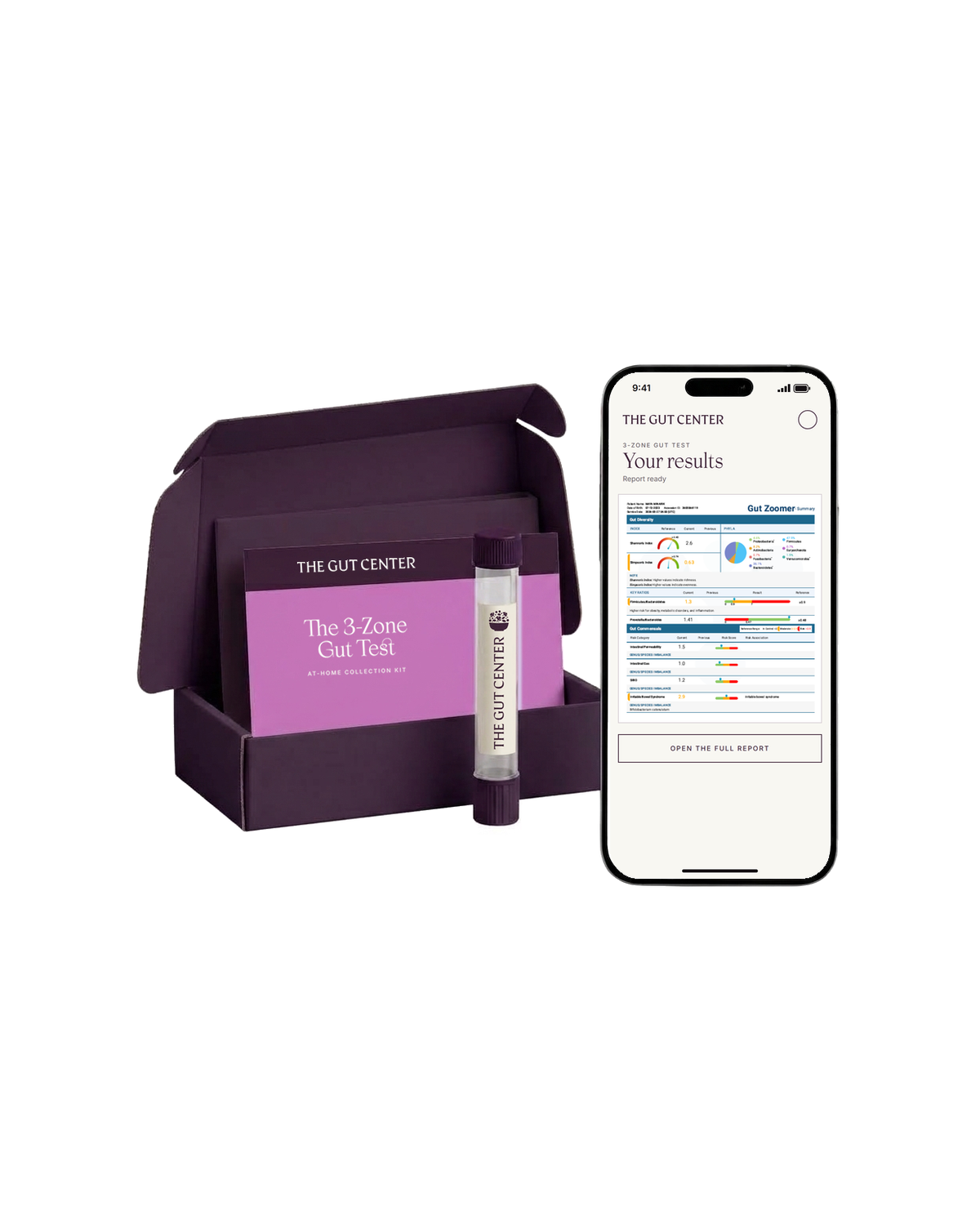
6. 3 Gut Zone Testing
You cannot guess your way to optimal elimination. Testing shows you:
- Microbiome analysis - are you missing beneficial protective bacteria, or do you have overgrowth of toxin producing bacteria
- Nutrient deficiencies - are you low in magnesium or B vitamins that support nerve signaling for motility
- Food sensitivities - are you eating foods that trigger inflammation and slow motility
You get specific answers. Then we build protocols based on your data, not guesswork.
- REBOOT with kitchari warm, spiced, lubricating, supportive for motility
- Exit Strategy daily non laxative elimination support
- LYTEning Drops minerals for hydration, motility, and stool consistency
- Ignite Your Detox supports liver, kidneys, lymphatics
- Weekly kitchari rhythm for maintenance
- 3 Gut Zone Testing to personalize your plan
The Social System That Makes This Sustainable
Here is what we know: you cannot fix elimination alone.
You need support, education, and a community where this is not shameful - it is data.
This is why our app and coaching exist:
- Daily tracking so you can see patterns: what foods slow you down, what time of day works best, how stress affects your rhythm
- Community where bowel movements are not TMI - they are essential health information we discuss openly and without shame
- Coaching calls where we troubleshoot your specific barriers - hydration, magnesium, stress, timing, ignoring the urge
- Protocol adjustments based on how your body responds
- Education so you understand the why behind every recommendation and can make informed choices for life
You are not figuring this out from conflicting search results. You are working with practitioners who understand how elimination connects to everything else and a community on the same path.
What Changes When Elimination Works
When your bowel movements are daily, complete, and effortless - when waste is leaving your body at the right speed - everything shifts.
- Your energy returns.
- Your brain clears.
- Your hormones balance.
- Your inflammation drops.
- Your skin clears.
- Your weight normalizes.
- Your anxiety and mood improve.
The Bottom Line
Your body has brilliant detox systems. Your liver works tirelessly. Your digestion breaks things down.
But if elimination is slow, all that work is for nothing.
You reabsorb the toxins. You recirculate the hormones. You poison your own cells with waste that was packaged for exit.
Next step: start with REBOOT to reset your entire pathway - digestion, detox, and elimination. Then support it daily with Exit Strategy and LYTEning Drops. If you want to supercharge the process, add Ignite Your Detox to help your liver, kidneys, and lymphatic system clear what has been building up. Track it. Understand it. Work with our team to optimize it.
Because you cannot build health on top of backed up waste. You have to clear the exits first.